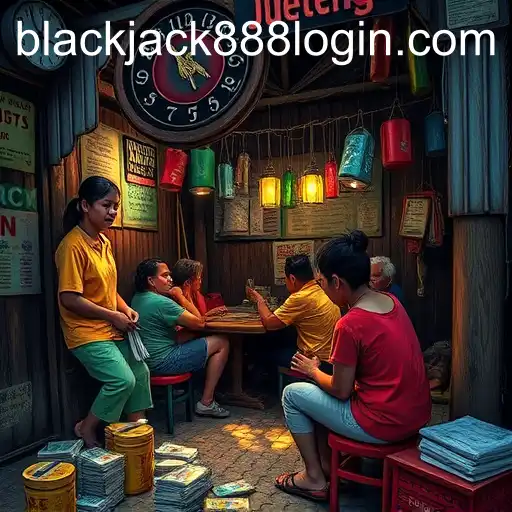
The Intricate Web of Jueteng and Its Influence
Jueteng, a prevalent numbers game in the Philippines, continues to intrigue many with its deep-rooted presence in the cultural and social fabric of the nation. The game, though illegal, flourishes across various regions, often intertwined with intricate networks of gambling and local politics. Understanding the nuances of jueteng reveals a microcosm of societal issues, ranging from corruption to community engagement.
Unraveling the Basics of Jueteng
At its core, jueteng is a form of illegal gambling similar to a lottery, where bettors choose a combination of numbers between 1 and 37. These numbers are then drawn at random, and those with winning combinations receive cash prizes. Despite its simplicity, the game has become a symbol of the challenges facing law enforcement and governance in the Philippines.
The Mechanics and Widespread Appeal
The appeal of jueteng lies in its accessibility and the allure of quick money. Bettors are able to place wagers with minimal amounts, making it attractive to those from lower socio-economic backgrounds. Daily draws add to the excitement and anticipation, creating a sustained engagement with the game. This consistent participation highlights the social and economic dimensions jueteng taps into, serving not only as entertainment but also as a potential financial haven for many.
Jueteng’s Entrenched Networks
The operation of jueteng is marked by a complex hierarchy, usually involving "kubradors" (collectors), coordinators, and financiers. These roles ensure the smooth functioning of the betting process across neighborhoods and communities. Local protectors, sometimes involving law enforcement and political figures, often shield these operations from crackdowns, as illustrated by numerous scandals and exposés over the years.
Jueteng and Its Societal Impacts
The societal implications of jueteng are multifaceted. On the one hand, it provides economic opportunities for those involved in its operational framework. On the other hand, its existence perpetuates a cycle of corruption and dependency, with proceeds often serving as funding for local political campaigns and personal enrichment for those in power. This cyclical nature has long-term effects on governance and development, creating perceptions of impunity and distrust among citizens.
Political Connections and Controversies
Politicians and public officials have historically been entangled with jueteng operations, using its proceeds to finance electoral campaigns or ensure political dominance within their jurisdictions. Several high-profile cases have shed light on these connections, sparking debates about regulatory enforcement and ethical leadership. This entanglement underscores the broader conversation about gambling's influence in political spheres, similar to concerns raised with legitimate platforms like "blackjack 888 login," where oversight is key in balancing interest with integrity.
The Challenge of Regulation and Enforcement
The government's response to jueteng has varied over time, from periodic crackdowns to the proposition of legalizing and regulating the game. However, despite efforts, enforcement remains inconsistent, often hindered by deep-seated corruption and resource limitations. The debate on legalization is complex, balancing the potential for increased revenue and regulation against moral and social concerns.
Reflecting on Community and Culture
Jueteng’s persistence is a testament to its cultural resonance. In many communities, it is seen as more than just gambling; it represents a shared activity that brings individuals together, often forming the social glue and providing a shared narrative of chance and hope. This cultural entrenchment makes it difficult to address solely through legalistic measures without considering the community dynamics at play.
The relationship between traditional numbers games like jueteng and modern gambling platforms such as "blackjack 888 login" highlights a spectrum of engagement with luck-based activities. Both capture the human fascination with chance and reward but occupy different spaces within global gambling dynamics.
In conclusion, jueteng remains a dominant, albeit controversial, aspect of Filipino life. Its intricate networks, cultural significance, and impact on political and social systems present a complex challenge for regulators, policymakers, and communities alike. Exploring jueteng provides valuable insights into broader themes of governance, culture, and economic stratification, as it continues to evolve amid changing societal landscapes.